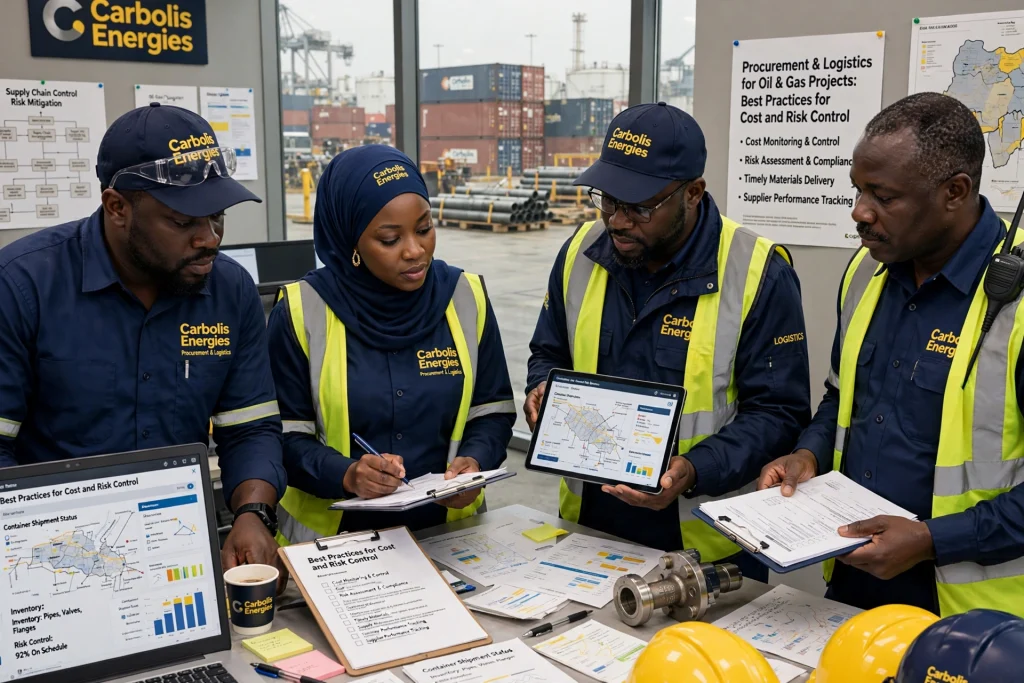
Procurement and Logistics for Oil and Gas Projects: Best Practices for Cost and Risk Control
Oil and gas projects rely on a steady flow of equipment, materials, and services—from engineering and construction supplies to specialist tools and offshore deliveries. Delays or gaps in procurement and logistics can affect project schedules, increase costs, and disrupt operations. A coordinated approach helps project owners and contractors manage these challenges and make informed decisions.
This guide explains how procurement and logistics for oil and gas projects work, where common risks arise, and which practices can help control cost, protect schedules, and improve supply-chain visibility.
What Do Procurement and Logistics Involve?
Procurement is the process of identifying project needs, sourcing suppliers, evaluating offers, negotiating terms, and managing purchase orders and contracts. Logistics covers the movement, handling, storage, and delivery of goods to the required location.
For an oil and gas project, these activities may include:
- Procurement planning and package development
- Supplier prequalification and bid evaluation
- Purchase-order and contract administration
- Equipment expediting and progress tracking
- Freight forwarding and transportation
- Customs and import documentation, where applicable
- Warehousing, inventory, and materials control
- Delivery coordination for remote, coastal, or offshore sites
- Inspection, preservation, and handover documentation
The scope varies by project. Responsibilities should be agreed among the owner, engineering team, EPC or EPCM provider, suppliers, freight partners, and contractors.
Why Procurement and Logistics Matter
Procurement and logistics decisions can influence the project’s total cost, delivery schedule, quality, and operational readiness. Poor coordination may lead to late materials, incomplete deliveries, excess inventory, avoidable transport expenses, or work stoppages.
A well-managed process can help teams:
- Align purchasing with engineering and construction schedules
- Identify long-lead items early
- Compare supplier offers on a consistent basis
- Reduce avoidable delays and emergency purchases
- Protect materials during storage and transport
- Improve visibility into orders and delivery status
- Maintain records needed for inspection, installation, and handover
These benefits depend on good planning, clear responsibilities, reliable information, and timely decisions.
1. Build a Procurement Plan Early
Procurement planning should begin during project definition, not after construction is underway. The plan should connect the project scope to the schedule and identify what must be purchased, when it is needed, and which approvals are required.
A procurement plan commonly includes:
- Package descriptions and technical specifications
- Estimated quantities and required delivery dates
- Budget allowances and commercial assumptions
- Supplier qualification and bid evaluation requirements
- Approval routes and authorized decision-makers
- Inspection, testing, and documentation needs
- Delivery locations, storage needs, and transport constraints
- Risks, dependencies, and contingency measures
The plan should be reviewed as the design develops. Changes to specifications, quantities, or installation sequencing can affect purchase orders and delivery dates.
2. Identify Long-Lead and Critical Items
Some equipment and materials require substantial design, manufacturing, inspection, or transportation time. Delays to these long-lead items can affect major project milestones.
Examples may include specialized rotating equipment, electrical systems, control equipment, valves, fabricated packages, and other items with project-specific requirements. The actual lead time depends on the supplier, specification, manufacturing capacity, approvals, and transport arrangements.
To manage long-lead items:
- Identify them early with engineering and construction teams.
- Confirm that technical specifications are sufficiently developed for procurement.
- Check supplier capacity and realistic delivery assumptions.
- Track design reviews, manufacturing progress, inspections, and shipping milestones.
- Establish an escalation process for schedule or quality concerns.
- Coordinate delivery dates with site readiness and installation plans.
Early procurement should still be supported by appropriate technical review and approval. Rushing to place orders against incomplete requirements can create costly changes later.
3. Use Clear Specifications and Scope Documents
Incomplete or ambiguous specifications can lead to inconsistent bids, supplier questions, changes, and disputes. Procurement documents should provide enough information for suppliers to understand the required scope and submit comparable offers.
Depending on the package, documents may define:
- Technical performance and design requirements
- Materials, codes, or project standards
- Quantity, dimensions, and interfaces
- Inspection and testing requirements
- Documentation and certification deliverables
- Packaging, preservation, and marking
- Delivery point, schedule, and shipping terms
- Spare parts, training, or after-sales support
- Scope boundaries, exclusions, and assumptions
Engineering, procurement, quality, and operations teams should coordinate their reviews before tender documents are issued.
4. Evaluate Suppliers Beyond the Lowest Price
The lowest initial price may not represent the best overall value. Supplier selection should consider technical compliance, delivery reliability, quality performance, lifecycle support, and commercial terms.
A structured evaluation may examine:
- Technical fit: Whether the offer meets the approved specification
- Delivery capability: Whether the supplier can meet required dates
- Quality systems: How manufacturing, inspections, and nonconformities are managed
- Relevant experience: Work with similar equipment, industries, or project conditions
- Commercial terms: Payment, warranty, liability, and change provisions
- Supply-chain resilience: Reliance on sub-suppliers, manufacturing locations, and component availability
- Support after delivery: Availability of spare parts, technical assistance, and service
Evaluation criteria should be set in advance and applied consistently. Any deviations from the specification should be recorded and reviewed by the appropriate technical and commercial teams.
5. Manage Contracts and Purchase Orders Carefully
Clear contract administration helps prevent misunderstandings about what a supplier must deliver and when. Purchase orders and contracts should accurately reflect the approved scope, price, schedule, quality requirements, documentation, and delivery arrangements.
Contract management practices may include:
- Maintaining a register of purchase orders and key dates
- Tracking supplier deliverables and outstanding approvals
- Reviewing variations before they are accepted
- Recording decisions, clarifications, and agreed changes
- Monitoring payment milestones against contract terms
- Managing claims and disputes through established procedures
- Confirming completion and closeout documentation
Project teams should have clear authority limits for approvals and changes. Legal and commercial advisers can support review of complex or high-value contracts.
6. Track Supplier Progress and Expedite Deliveries
After an order is placed, teams need visibility into its progress. Expediting involves monitoring supplier activities and following up on milestones that may affect delivery. It should be proportionate to the item’s criticality and the project’s risk.
Tracking may cover:
- Approval of drawings and technical documents
- Procurement of raw materials and components
- Manufacturing progress
- Inspection and testing dates
- Completion of required documentation
- Packing, dispatch, and transport milestones
Regular supplier communication helps surface concerns early. Escalation should be based on documented schedule risks and agreed contract procedures, rather than informal assumptions.
7. Coordinate Logistics from Supplier to Site
Transport planning should start while the item is being procured. Equipment may need to move through multiple stages, such as supplier dispatch, port or terminal handling, customs processing, inland transport, temporary storage, and final delivery to the worksite.
Logistics planning should consider:
- Cargo dimensions, weight, and handling requirements
- Route suitability and access restrictions
- Required lifting and unloading equipment
- Packaging and protection against environmental exposure
- Port, terminal, and warehouse arrangements
- Transport permits and documentation, where applicable
- Security, insurance, and cargo tracking
- Site storage capacity and delivery sequencing
For remote, coastal, or offshore projects, vessel availability, weather windows, transfer methods, and site access may require additional planning. These details should be confirmed for the specific location and cargo.
8. Prepare for Customs and Import Requirements
For goods crossing borders, teams should confirm current documentation and import requirements well before shipment. Incomplete or inconsistent paperwork can lead to delays, additional costs, or cargo being held for review.
The responsible parties should clarify:
- Which party prepares and submits each document
- Product descriptions, values, and classification details
- Certificates or technical records required for the shipment
- Applicable duties, taxes, permits, or approvals
- Shipping terms and transfer of responsibility
- Procedures for resolving documentation discrepancies
Import requirements can vary by product, project, and time. Project teams should verify current rules with relevant authorities and qualified customs or trade professionals rather than relying on outdated assumptions.
9. Control Inventory and Materials at the Project Site
Materials management continues after delivery. Accurate inventory records help project teams locate items, prevent duplicate orders, and ensure that materials are available when needed.
A materials-control process can include:
- Assigning unique identification or tag numbers
- Recording quantities, locations, and status
- Inspecting deliveries for damage or discrepancies
- Separating accepted, quarantined, and rejected materials
- Tracking issue and return transactions
- Managing shelf life and storage conditions
- Preserving equipment according to supplier guidance
- Reconciling unused materials during project closeout
Storage and preservation requirements are particularly important for equipment that may remain unused for an extended period.
10. Protect Quality and Traceability
Procurement quality should be built into the package from the beginning. A supplier’s inspection and test plan can identify quality checks, review points, witness points, records, and acceptance criteria.
Project teams may need to coordinate:
- Technical document reviews
- Material certificates and traceability
- Manufacturing inspections
- Non-destructive examination, when specified
- Functional or performance testing, where required
- Nonconformance reporting and corrective actions
- Final manufacturing records and handover documents
Inspection activities should match the equipment’s criticality, contract requirements, and applicable standards. The project should define who reviews and accepts each record.
11. Manage Procurement and Logistics Risks
A risk register helps teams identify threats, assess their potential effects, assign owners, and track mitigation actions. Risks vary by project, but common areas include supplier delays, material shortages, transport disruption, quality defects, design changes, currency exposure, and site-access constraints.
A useful risk process should:
- Identify risks with engineering, procurement, logistics, construction, and operations teams.
- Assess likelihood and impact using the project’s agreed method.
- Assign an owner and a practical response for each priority risk.
- Monitor warning signs and update the register regularly.
- Escalate changes that could affect cost, safety, or schedule.
- Record decisions and lessons learned.
Contingency planning should be proportionate to the project. Options might include alternative suppliers, schedule float, replacement parts, revised sequencing, or additional inspections, where appropriate.
12. Use Digital Tools to Improve Visibility
Digital procurement and logistics systems can help teams manage documents, purchase orders, supplier milestones, inventory, and delivery status. A shared system can reduce reliance on disconnected spreadsheets and email threads, but it is only useful if information is accurate and responsibilities are clear.
Useful capabilities may include:
- Purchase-order and contract registers
- Supplier document workflows
- Delivery and shipment tracking
- Inventory and materials status
- Schedule integration
- Alerts for key milestones or overdue actions
- Reporting dashboards and audit trails
Project teams should establish consistent data standards and access controls. Digital tools support coordination; they do not replace supplier engagement, technical review, or sound project judgment.
13. Measure Performance with Relevant Indicators
A small set of practical indicators can help organizations monitor procurement and logistics performance. Possible measures include:
- On-time supplier delivery
- Procurement-cycle time
- Purchase-order changes
- Supplier nonconformances
- Freight or storage cost variance
- Materials availability at work fronts
- Expediting actions and overdue milestones
- Inventory accuracy
- Percentage of required documentation received
Metrics should be interpreted alongside project context. For example, a delivery may be on time but still unusable if its documentation is incomplete or it does not meet the approved specification.
Common Procurement and Logistics Mistakes to Avoid
- Starting procurement too late: Identify critical packages during planning.
- Buying before requirements are mature: Balance schedule urgency with technical review and approval.
- Selecting only by price: Assess delivery, quality, lifecycle support, and commercial risk.
- Leaving logistics until dispatch: Plan transport, handling, and site access during procurement.
- Failing to track supplier progress: Monitor key manufacturing and documentation milestones.
- Ignoring preservation and storage: Protect equipment between delivery and installation.
- Using unclear responsibilities: Define who approves, inspects, transports, receives, and records each item.
- Overlooking change control: Assess the cost and schedule effect of specification or quantity changes before approval.
Practical Checklist for Project Owners
Before and during procurement, project owners can:
- Confirm the project scope, schedule, and procurement strategy.
- Identify critical and long-lead items.
- Prepare complete, coordinated technical and commercial documents.
- Set supplier evaluation criteria before receiving bids.
- Define contract responsibilities, approval limits, and change procedures.
- Track supplier, inspection, documentation, and shipping milestones.
- Plan transport, customs, storage, and delivery to the worksite.
- Maintain an accurate materials register and preserve equipment.
- Monitor quality records and close documentation gaps.
- Review cost, schedule, and supply-chain risks throughout the project.
Conclusion
Effective procurement and logistics for oil and gas projects depend on early planning, clear specifications, careful supplier evaluation, active contract administration, and coordinated movement of materials from source to site. These practices can help project teams identify risks sooner, make better-informed decisions, and reduce avoidable delays and expenses.
Every project has its own supply-chain conditions, regulatory requirements, and operational constraints. Establish clear roles, verify current requirements, and connect procurement decisions to engineering, construction, quality, and site-readiness plans. Strong coordination from the first purchase package through final delivery supports a more controlled project execution process.
Planning procurement or logistics for an oil and gas project? Start by identifying critical packages, delivery constraints, approval needs, and site requirements, then build a project-specific plan with clearly assigned responsibilities.